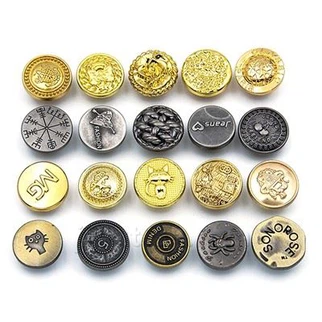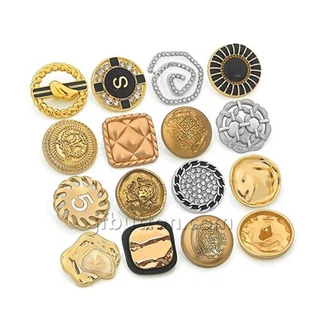
1. Control sample or confirm sample. See if the color and model match the sample;
2. There should be no cracks, notches, unevenness and obvious scratches on the surface of the button;
3. No car cracks and bubbles on the face and back; no rotten edges and uneven thickness;
4. The pattern should have no obvious deformation, no white eyes, white circles and other phenomena;
5. Buttonholes should be smooth and unobstructed; needle holes are all worn and broken, symmetrical and without big eyes. If it is a dark eye button, the dark eye groove should be smooth without obvious cracking.
6. After electroplating or other processes, the effect should be uniform. If some special effects cannot be consistent, they can be packaged separately.
7. The color difference of buttons in the same batch should not be lower than the GB250 grade 4 standard, and compared with the incoming sample, it should not be lower than the GB250 grade 3 standard.
8. Packaging inspection, after the appearance inspection/customer required performance test are all qualified, and then sub-package. Certificates of conformity or other labels should be placed in the packaging. The number of packages should be consistent with the regulations, and the actual number of each bag should be consistent with the specified number. If it is found that the thickness exceeds the tolerance due to different thicknesses or other reasons, all inspections are required.
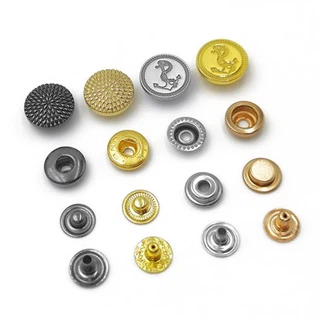
9. The emergency button/car hood button/five-claw button should be tested before delivery to test the performance and usability of the button, and provide mold and test samples to customers.